

Flow measurement

Flow measurements are not new and have been around for centuries. But don't think that they’re as primitive as they used to be. Today, there are different measurement techniques: the classical measurement methods and the more experimental systems.
These techniques are still being researched and perfected every day. The other major part of the research is about standardising other measurement techniques in situations where the current "classics" fall short and encounter limitations. Let us briefly introduce you to the wonderful world of flow measurement.

Usefulness of flow rate measurement
Flow measurements are used to express the environmental impact of wastewater discharge, usually in combination with a chemical analysis (by a laboratory) of the water.
Flow measurements are necessary both on surface water and for discharges via an open or closed control facility of industrial wastewater, cooling water and influent / effluent from water treatment plants in which urban wastewater is treated.
A range of flow measurement techniques
Ultrasonic
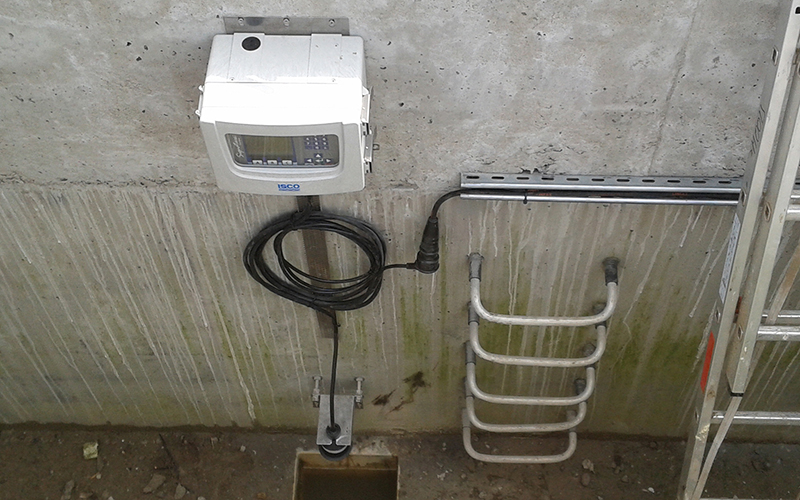
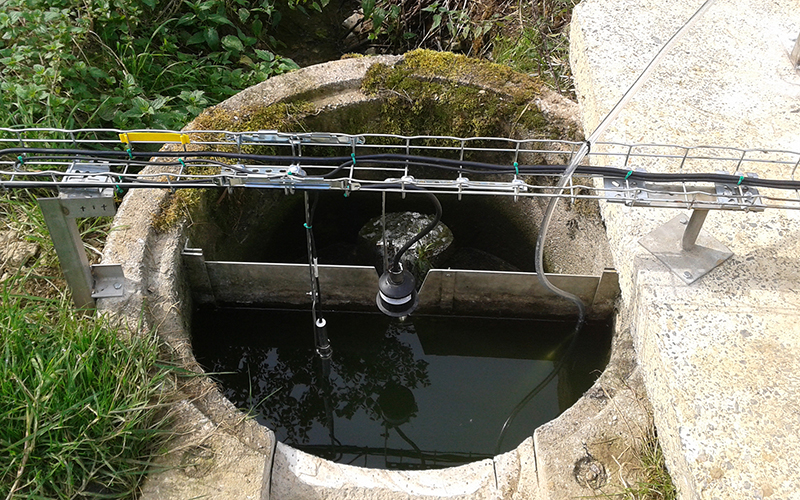
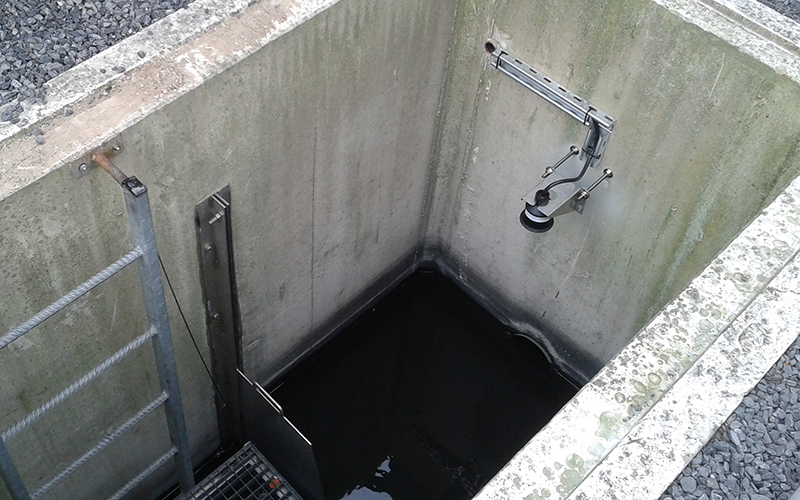
This non-contact measurement technique determines the water level by emitting sound waves that rebound on the water surface. In order to determine the flow rate, a measuring infrastructure (measuring baffle or measuring trough) is installed.
Bubbler
The tube is immersed in the liquid. After pressure is applied, it is measured if air bubbles form in the liquid. From this measurement, the liquid level is determined and, in combination with a measuring infrastructure, the flow rate.




Doppler
This sensor is placed on the bottom and emits an ultrasonic signal. This reflects on particles and air bubbles. The speed is determined by the shift in frequency. An internal pressure sensor determines the level from which the flow rate is calculated.

Laser
This is a non-contact measurement technique that combines laser technology with an ultrasonic level sensor to measure the speed under the water surface. To enable measurements in submerged conditions, an optional ultrasonic Doppler speed sensor can be installed.
An ATEX version is available for flow measurement in extreme conditions.

Radar
Microwaves are sent out to the water surface. From the reflected signals, the level and, if there are 2 radar sensors, the speed can be measured. It is a non-contact measurement technique that reduces the frequency of maintenance.
Clamp-on
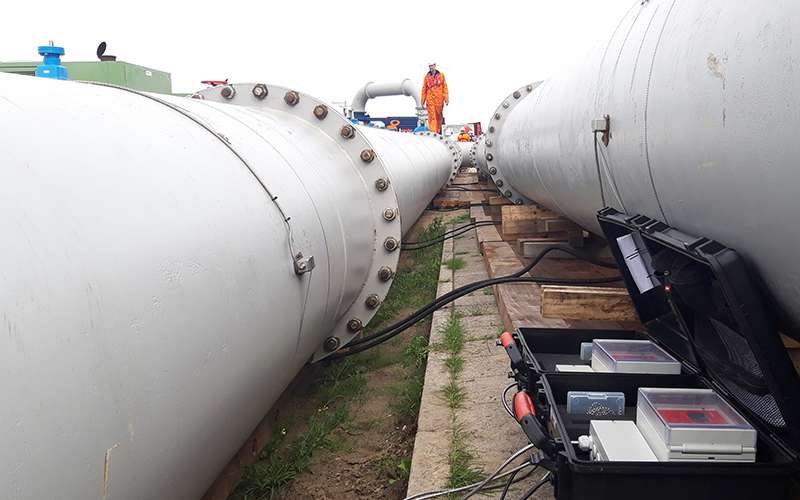
A clamp-on ultrasonic sensor measures from the outside, making it quick and easy to deploy. This allows the device to measure even in hard-to-reach locations. These meters are available in a portable or fixed set-up and can also be ATEX equipped.
Electromagnetic
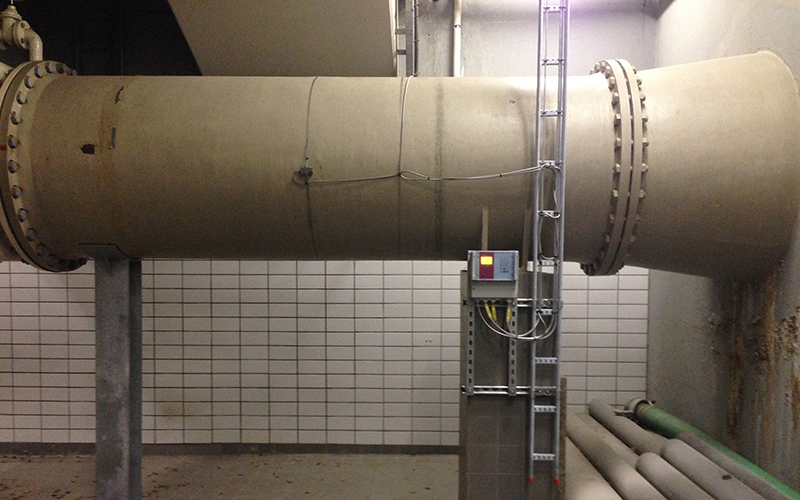
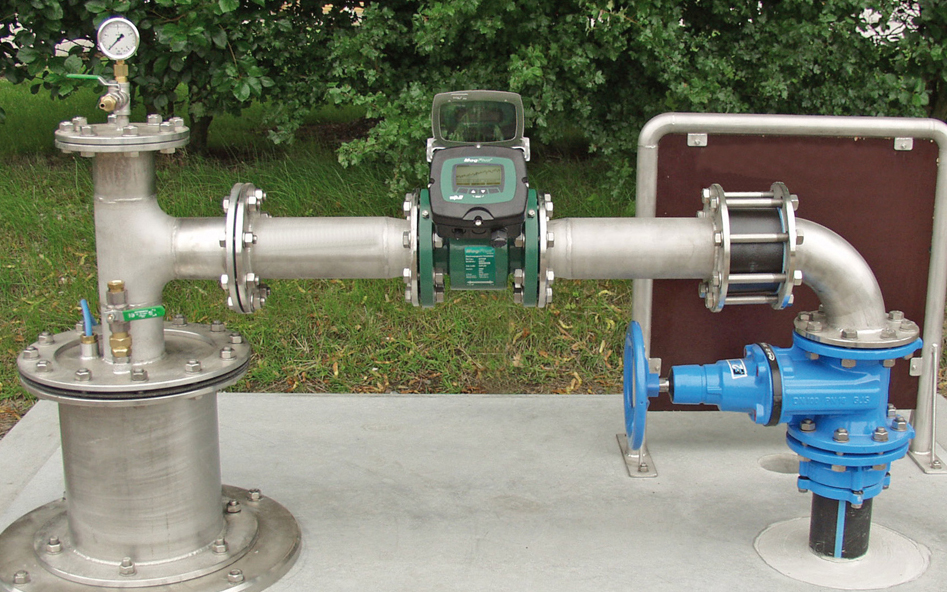
This type of measurement has many fields of application, namely: drinking water, wastewater, sludge and process liquids. The measuring principle is independent of pressure, density, temperature and viscosity and mainly takes place on conductive liquids and closed pipes. This also makes it maintenance-free.



We’re happy to support you in selecting the flow measurement system required for your application.
More information?