

Smart water management in the city
Cities are becoming increasingly warm and dry, while heavy downpours follow one another in quicker succession. For local authorities, the challenge of managing water intelligently in urbanised areas continues to grow. By capturing water locally, retaining it and deploying it purposefully, a powerful tool emerges for making cities cooler, healthier and more climate-resilient.

Retaining water where it falls
In highly urbanised environments, rainwater often flows away rapidly through sewers, only for that same water to be in short supply during dry, warm periods. By buffering water locally in squares, green zones or underground structures, it remains available when truly needed.
This approach not only reduces pressure on the sewerage system but also enables water to play an active role once again in the urban environment.

Trees as the city's natural air conditioning
Urban trees play a crucial role in cooling the surroundings. They release moisture through evaporation, provide shade and lower local temperatures. At the same time, they contribute to CO₂ reduction and improved air quality.
Thoughtful water management ensures trees receive sufficient water even during dry periods. This increases their survival rates, extends their lifespan and maximises their positive impact on the urban climate and residents' health.
Water insight as the foundation for healthy urban policy
Water management in cities today is about more than preventing nuisance. It touches on public health, quality of life and sustainability. Authorities therefore seek a better understanding of how much water is available, where it is located and how it evolves throughout the seasons.
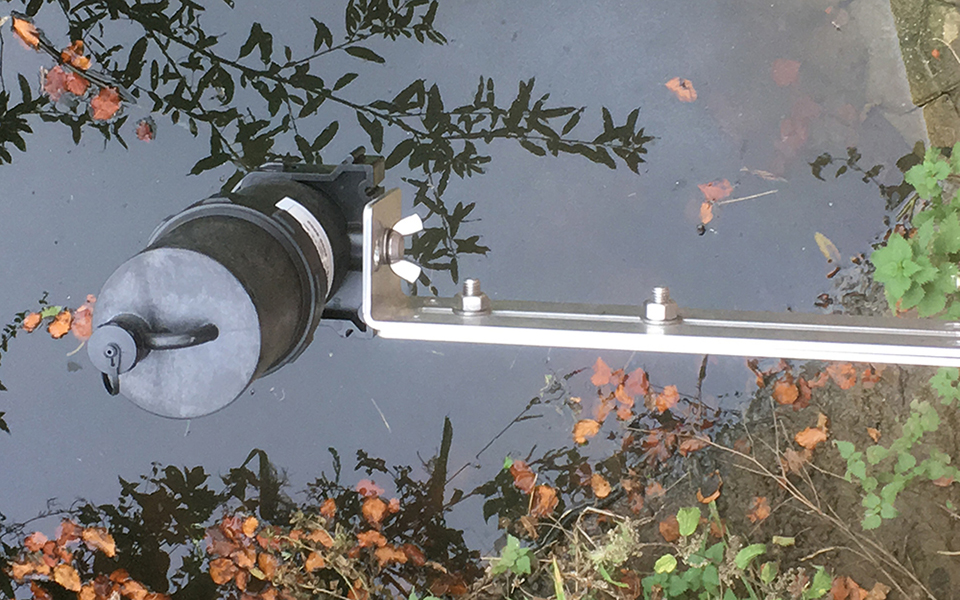
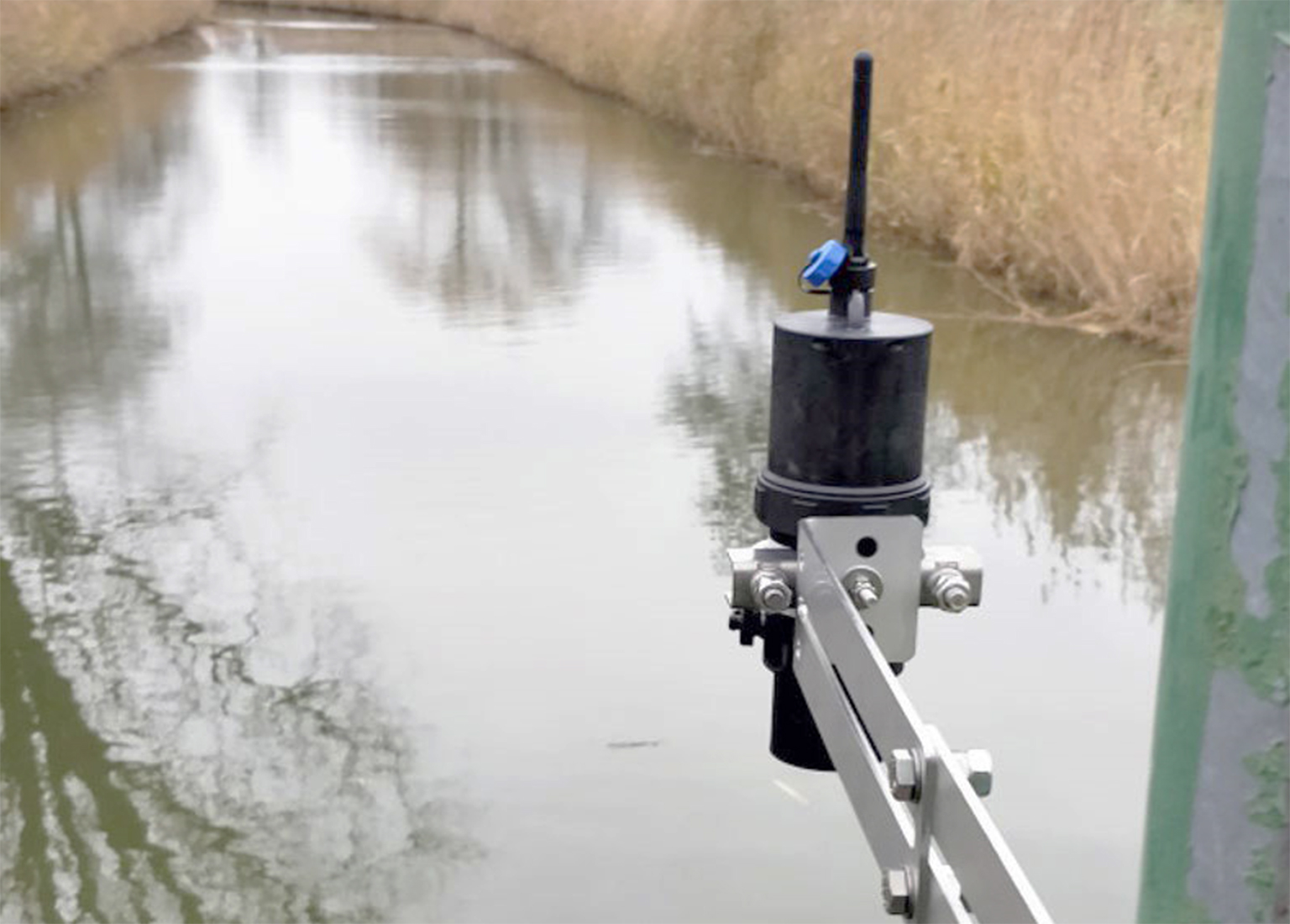
By continuously monitoring water levels and buffer capacity at strategic locations, a reliable database emerges for policy decisions. Trends become visible, bottlenecks are identified more quickly, and the impact of measures such as greening, reducing hard surfacing or creating water squares becomes measurable. These insights support evidence-based choices and strengthen collaboration between departments including environment, public space, climate and health. In this way, water management evolves into a visible and integral component of urban climate adaptation policy.



Prepared for the city of tomorrow
Climate change calls for structural choices. By investing today in smart water management for urbanised areas, you are building cities that are better equipped to withstand heat, drought and intense precipitation.
Would you like to know how insight into water levels can contribute to a healthier, cooler and more sustainable city? Request information without obligation and discover the possibilities for your urban environment.
-
-

Surface water is under pressure from pollution & climate change. Use tools that allow to better study, understand and monitor our waterways and reservoirs

